October 28, 2026
Choosing the right fiberglass pool features can help homeowners create a backyard that balances comfort, functionality, safety, and visual appeal. From pool shapes and surface colors to lighting, water features, and temperature controls, each decision influences how the finished pool looks and feels. Understanding the available options makes it easier to prioritize features that suit your property, lifestyle, and budget. A local pool contractor can help you compare these choices and determine which additions will provide the most value for your outdoor space.
Pool Size and Shape Options
Rectangular Pools
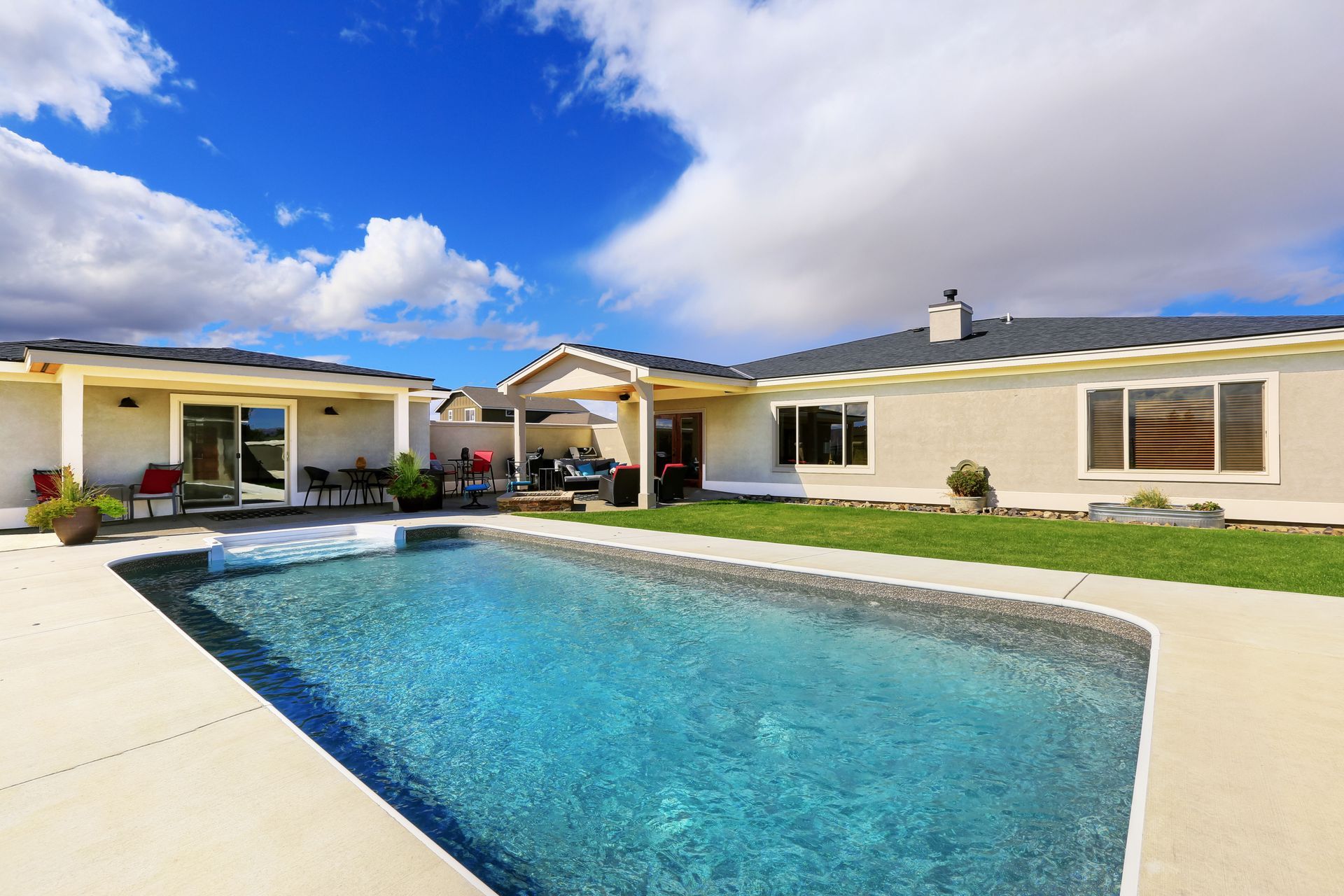
Rectangular pools offer a timeless appearance that complements many architectural styles. Their straight edges provide an excellent swimming area for exercise, while their simple geometry can make covering and heating the pool more straightforward. This shape works particularly well in contemporary backyards where clean lines and defined spaces are important.
Freeform and Custom Pools
Freeform pools create a softer, more natural appearance that blends with landscaping and curved patios. Custom-shaped designs can also accommodate unusual yard dimensions or specific recreational preferences. Homeowners should consider how the pool will fit with existing structures, walking paths, and seating areas before settling on a shape.
Lap and Plunge Pools
Lap pools prioritize exercise, providing a long swimming area without necessarily requiring a large backyard footprint. Plunge pools offer a compact alternative for cooling off and relaxing in limited spaces. A local pool contractor can help homeowners evaluate available dimensions and select a design that supports their intended use without overwhelming the yard.
Pool Surface and Color Options
Durable Gelcoat Finishes
Fiberglass pools feature a gelcoat surface that creates a smooth finish and helps resist staining and algae attachment. This surface can simplify routine cleaning compared with some other pool materials. Choosing a quality finish also helps preserve the pool's appearance over time, although proper water chemistry and regular care remain essential.
Color and Texture Choices
Pool colors range from bright blues and teals to darker shades that create a deeper, lagoon-like appearance. Lighter finishes can produce a fresh, open look, while darker colors may complement natural stone and modern landscaping. Textured areas can also improve traction on designated steps and shallow surfaces. Homeowners should compare samples when possible because sunlight and surrounding materials influence how colors appear outdoors.
Surface Protection and Safety
UV exposure can affect a pool's appearance over time, making durable finishes an important consideration in sunny climates. Homeowners should ask about the manufacturer's surface specifications, care recommendations, and warranty coverage. Slip-resistant treatments may also be appropriate for certain surrounding surfaces, but they should be selected for the specific material and installed according to manufacturer guidance.
Water Features and Visual Details
Waterfalls and Fountains
Waterfalls and fountains add movement and sound to a backyard pool. A small spillover can create a relaxing atmosphere, while a larger waterfall can become a prominent landscape feature. Fountains offer another design option, ranging from subtle bubbling effects to more dramatic displays. Both features require appropriate plumbing and equipment, so their installation and operating costs should be considered early.
Bubblers and Deck Jets
Bubblers create gentle streams of water, often in shallow areas or tanning ledges, making them appealing for relaxation and family recreation. Deck jets send arcing streams into the pool, introducing movement without taking up much swimming space. Lighting can make these features more noticeable after sunset, although additional pumps and controls may increase energy use and maintenance requirements.
Infinity Edges
Infinity edges create the appearance of water extending toward the horizon and can be especially striking on properties with scenic views. However, these designs require specialized construction, additional hydraulic considerations, and suitable site conditions. They may not be practical for every backyard or budget. A local pool contractor can explain whether the property's layout supports this type of feature and what additional planning it requires.
Pool Lighting and Evening Ambiance
LED and Underwater Lighting
LED pool lights provide efficient illumination and are available in different colors and brightness levels. Underwater fixtures highlight the pool's shape while helping swimmers see steps and other features after dark. Perimeter lighting can also improve visibility around walkways and seating areas. All electrical installations should comply with applicable pool safety codes and be completed by qualified professionals.
Solar and Smart Lighting
Solar lights can illuminate surrounding landscaping and pathways without requiring every fixture to connect to the home's electrical supply. Their performance depends on sunlight exposure and battery capacity. Smart lighting systems offer additional convenience by allowing homeowners to adjust brightness, colors, and schedules through compatible controls. These options can create different settings for quiet evenings, gatherings, or nighttime swimming.
Pool Heating and Cooling Systems
Electric and Gas Heaters
Electric resistance heaters can warm pool water quickly but may consume considerable electricity. Gas heaters also provide rapid heating and can suit homeowners who want occasional temperature increases. The best choice depends on local energy prices, pool size, usage patterns, and the desired swimming season. Installation costs should be evaluated alongside expected operating expenses. A local pool contractor can help compare heating options based on the climate, anticipated pool use, and available budget.
Heat Pumps and Solar Heating
Heat pumps draw warmth from the surrounding air and generally use less energy than electric resistance heaters in suitable climates. Solar heating systems use sunlight to warm pool water, potentially reducing ongoing energy costs where sufficient sun and installation space are available. Both options depend on environmental conditions, so homeowners should consider local weather patterns before selecting a system.
Pool Chillers
In particularly hot climates, a pool chiller can help keep water at a more comfortable temperature. These systems remove heat from the water, making swimming more enjoyable during extended periods of high temperatures. Because chillers add equipment and operating costs, they are most useful when naturally cooling pool water is not enough to meet the homeowner's preferences.
Pool Safety and Functional Accessories
Covers and Fencing
Pool covers can reduce debris, limit water evaporation, and help retain heat. Some models also provide an additional safety barrier when properly designed and secured, but not every cover is intended to prevent entry. Fencing with secure, self-closing, self-latching gates is another important safety measure. Homeowners should follow local barrier requirements and never rely on a cover or fence as a substitute for active supervision of children.
Alarms and Access Controls
Pool alarms can alert homeowners when a disturbance occurs in the water or when a designated access point is opened. Available systems include surface and subsurface alarms as well as gate sensors. These devices can supplement other safeguards, but they do not replace compliant barriers, appropriate supervision, or established pool safety practices.
Steps, Seating, and Entry Features
Built-in steps, benches, and tanning ledges can make a fiberglass pool more comfortable and accessible for different activities. Their placement affects circulation, usable swimming space, and how people enter or exit the water. A local pool contractor can help homeowners compare available shell designs and identify features that accommodate their household's needs.
Pool Features and Long-Term Property Value
Pool features should support everyday enjoyment while complementing the property's overall design. According to First Heritage Mortgage, a 14 × 28-foot concrete in-ground pool is estimated to add between 5% and 8% to the real estate value of your home, depending on its location, condition, and other market factors. This estimate applies to a particular pool size and material, so it should not be treated as a guaranteed return for fiberglass pools or every property.
Factors such as local buyer preferences, pool condition, safety provisions, maintenance expenses, and the quality of the surrounding outdoor space can influence resale appeal. Features that suit the home's layout and climate may be more practical than elaborate additions that increase costs without meeting the owner's needs. A local pool contractor can help homeowners prioritize suitable designs and understand the installation requirements associated with different upgrades.
Ready to explore your options? Contact The Pool Guyz to discuss your backyard goals, compare fiberglass pool features, and plan a pool design that fits your property and lifestyle.